
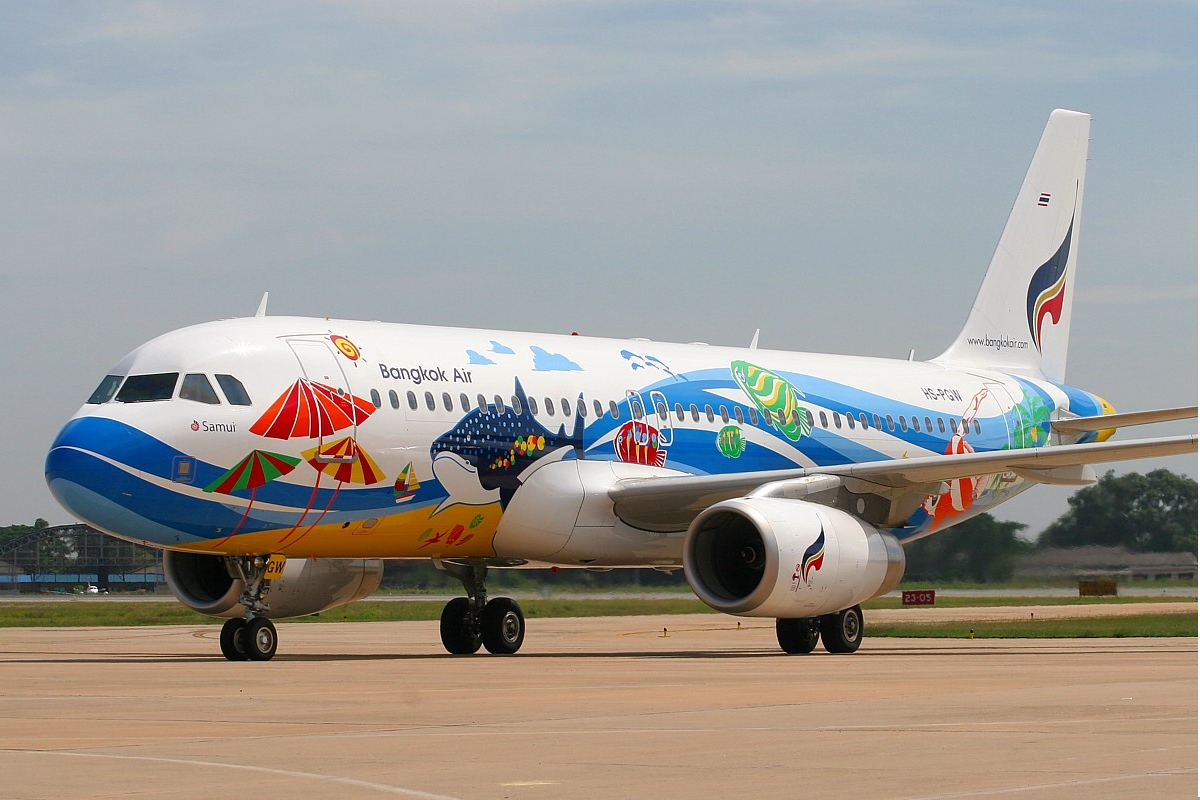
Amid the sharp rise in fuel prices due to the Middle East conflict, Bangkok Airways will increase its fares by 15-20% from 1 April to offset its sharply rising operating costs.
On 27 March, at a press conference held in the Radiant room of the “BDMS Connect Center”, Puthipong Prasatthong Osot, CEO of Bangkok Airways (Bangkok Airways airline), announced this unavoidable measure. Tensions in the Middle East are causing oil prices to soar, impacting airlines worldwide.
Bangkok Airways has secured about 30% of its fuel needs via price fluctuation insurance (Fuel Hedging) at a level of 80-90 dollars per barrel. This partially stabilises costs despite global market volatility. Total costs are expected to climb by 15-20% on average, with fuel already accounting for 30% of overall expenses.
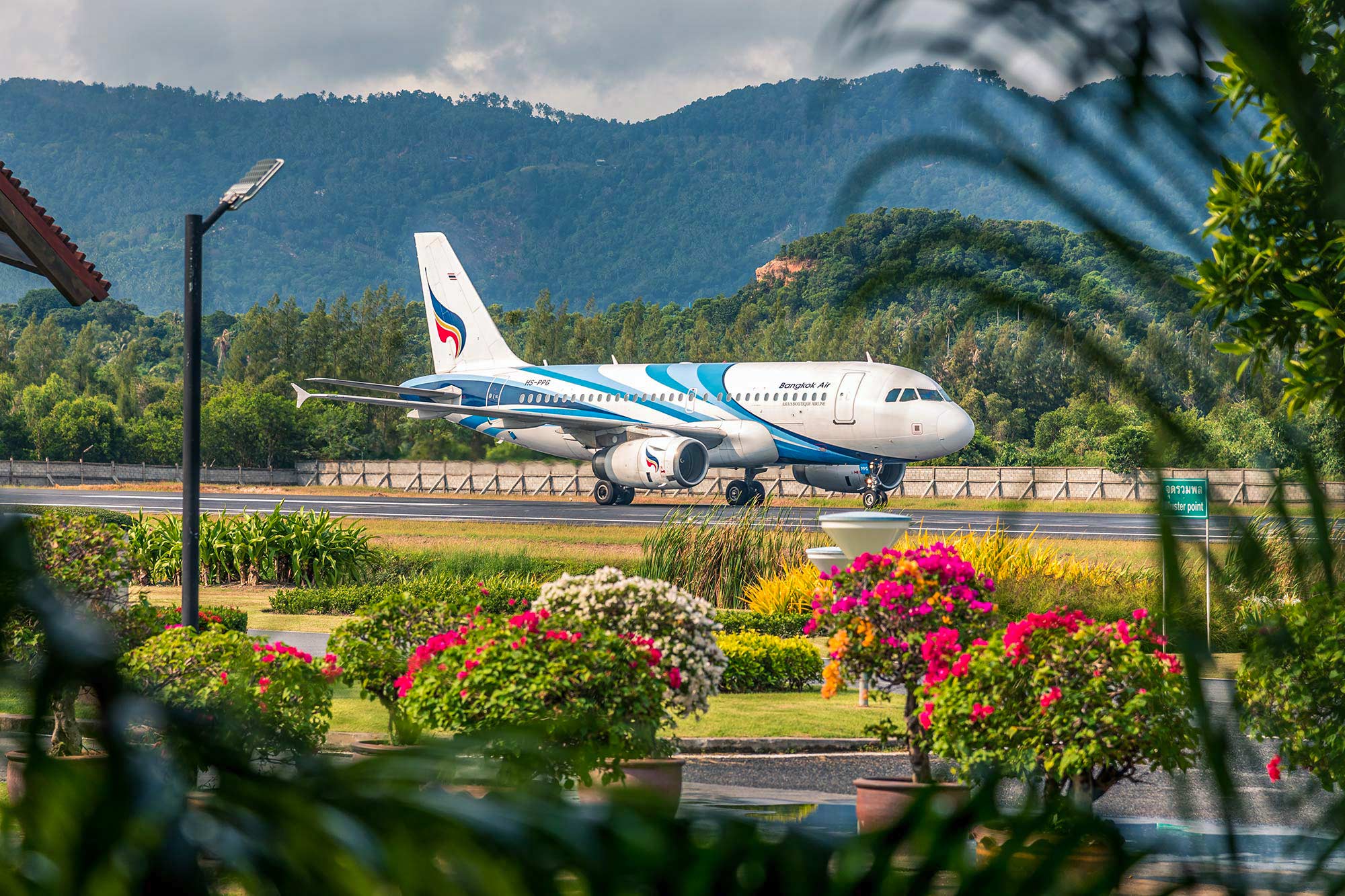
To absorb this pressure, the airline will implement gradual fare adjustments on certain key routes, starting from 1 April. The increases, of the order of 15-20% or slightly more, will target high-demand, high-cost routes such as Bangkok-Samui, Phuket and Chiang Mai. The hikes will be tailored route by route, without uniform application.
“The company is closely monitoring the oil price situation, as current volatility is influenced by geopolitical factors and speculation on global markets, leading to cost increases across all sectors. If the situation persists beyond 2-3 months, the company may need to review its pricing and cost management strategy.”
Bangkok Airways is relying on short-term management via marketing measures and strict expense controls to preserve its customer base and competitiveness. However, a prolonged and massive oil surge – of the order of 50-60% – could require a thorough overhaul of its cost structure and operational model.