
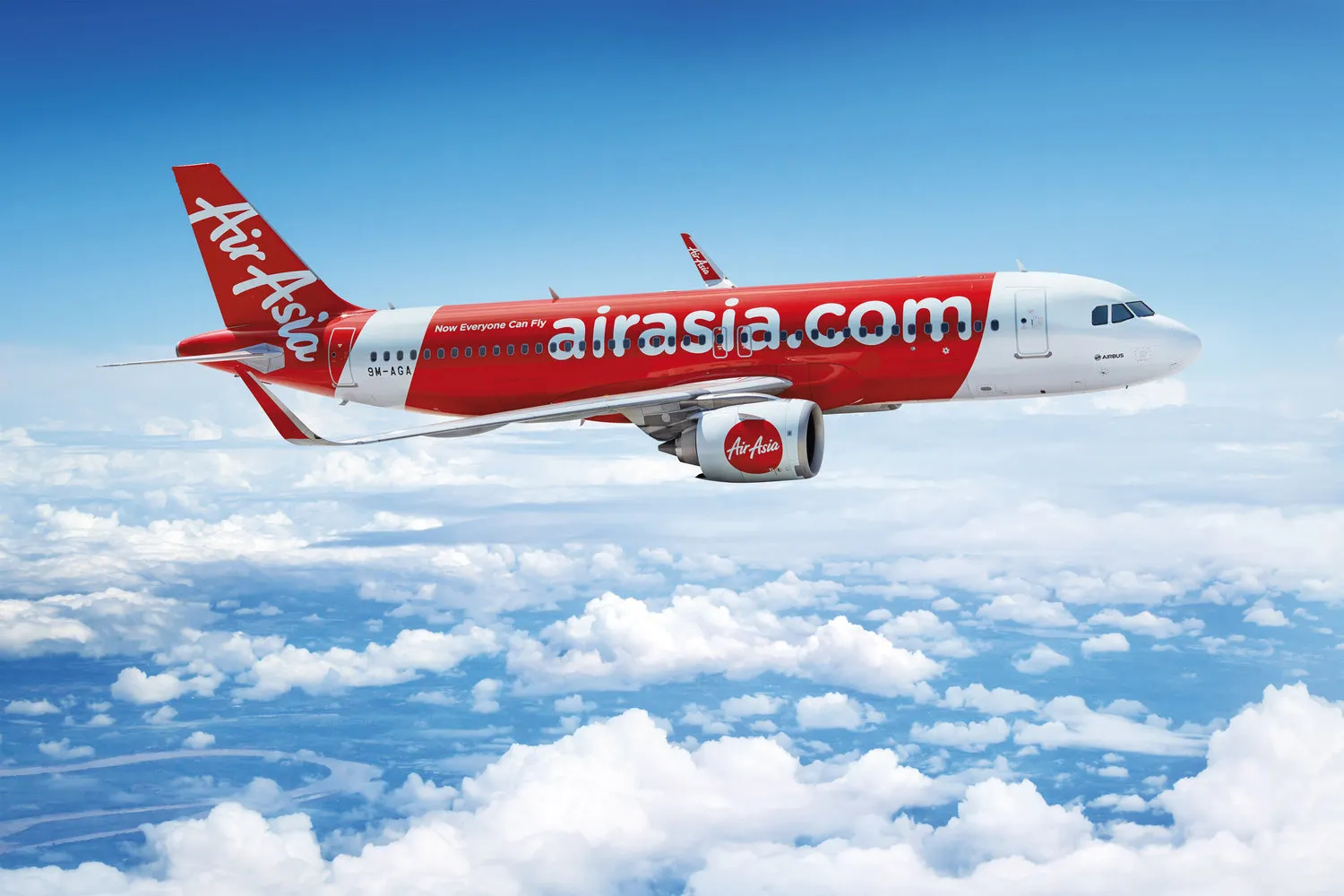
Putrajaya is already sounding out Malaysia Airlines and Batik Air as the oil price surge, sparked by the war in the Middle East, threatens AirAsia’s low-cost model.
On 16 September 2026, Reuters revealed that Putrajaya had asked Malaysia Airlines and Batik Air whether they could absorb AirAsia’s domestic market share. Revived on X by Rozanna Latiff of Reuters, the scoop shifted the debate.
The airline accounts for roughly 40% of the Malaysian aviation market and 60% of domestic traffic. A sudden interruption would be a national shock. The Ministry of Finance has commissioned Alton Aviation Consultancy to assess its funding needs. Bankruptcy is not yet confirmed. Fuel prices, however, could trigger it.
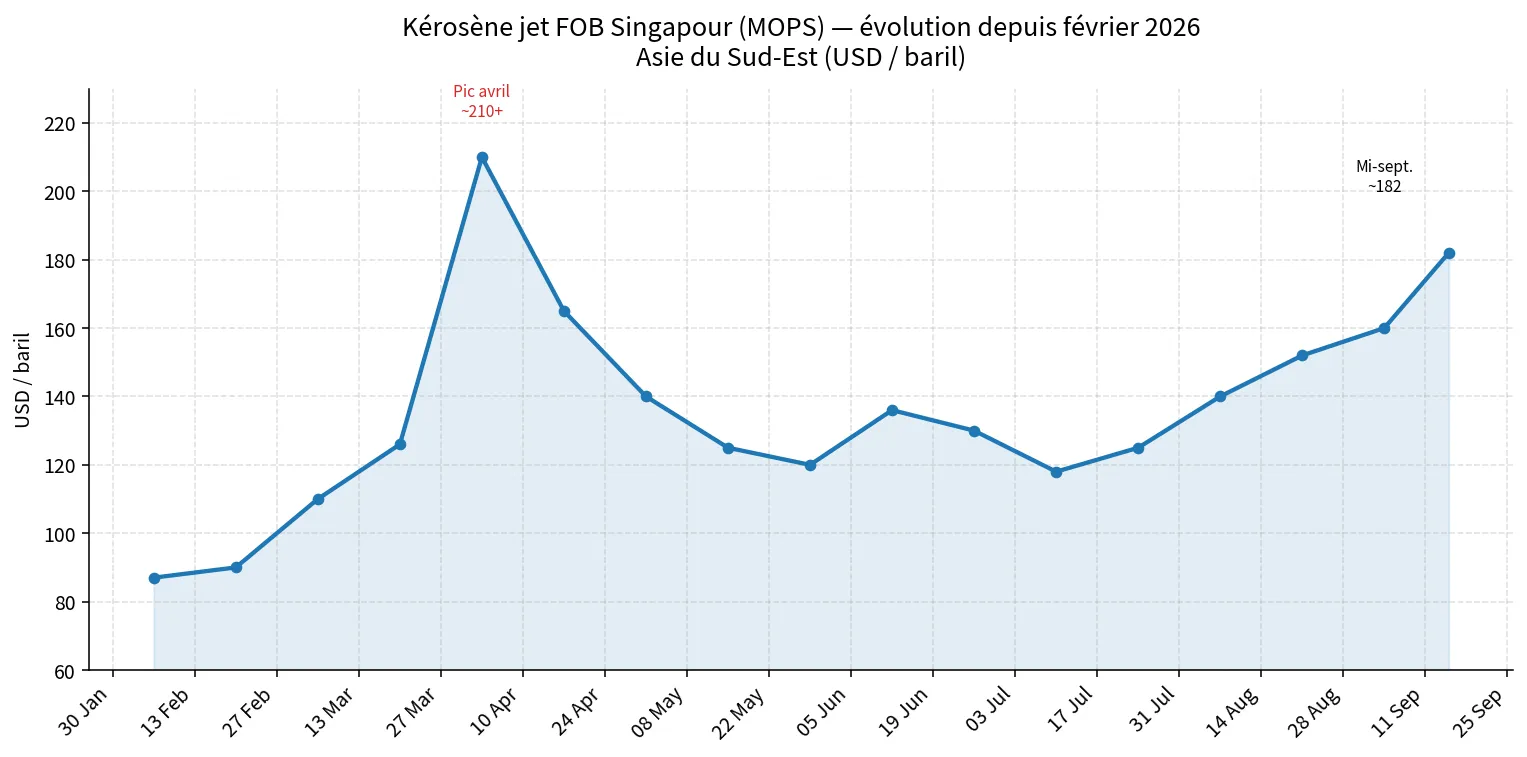
In the second quarter, kerosene prices jumped 66% to an average of US$183 per barrel, driven by the war in the Middle East involving the United States, Israel and Iran. For a low-cost carrier that sells tickets at the tightest margins, this rise is not a minor extra: it is the factor that can wipe out profits. AirAsia posted a net loss of 831 million ringgits, including 331 million ringgits in foreign-exchange losses. The IATA estimates the conflict will add around US$100 billion to the industry’s fuel bill this year and almost halve 2026 profits.
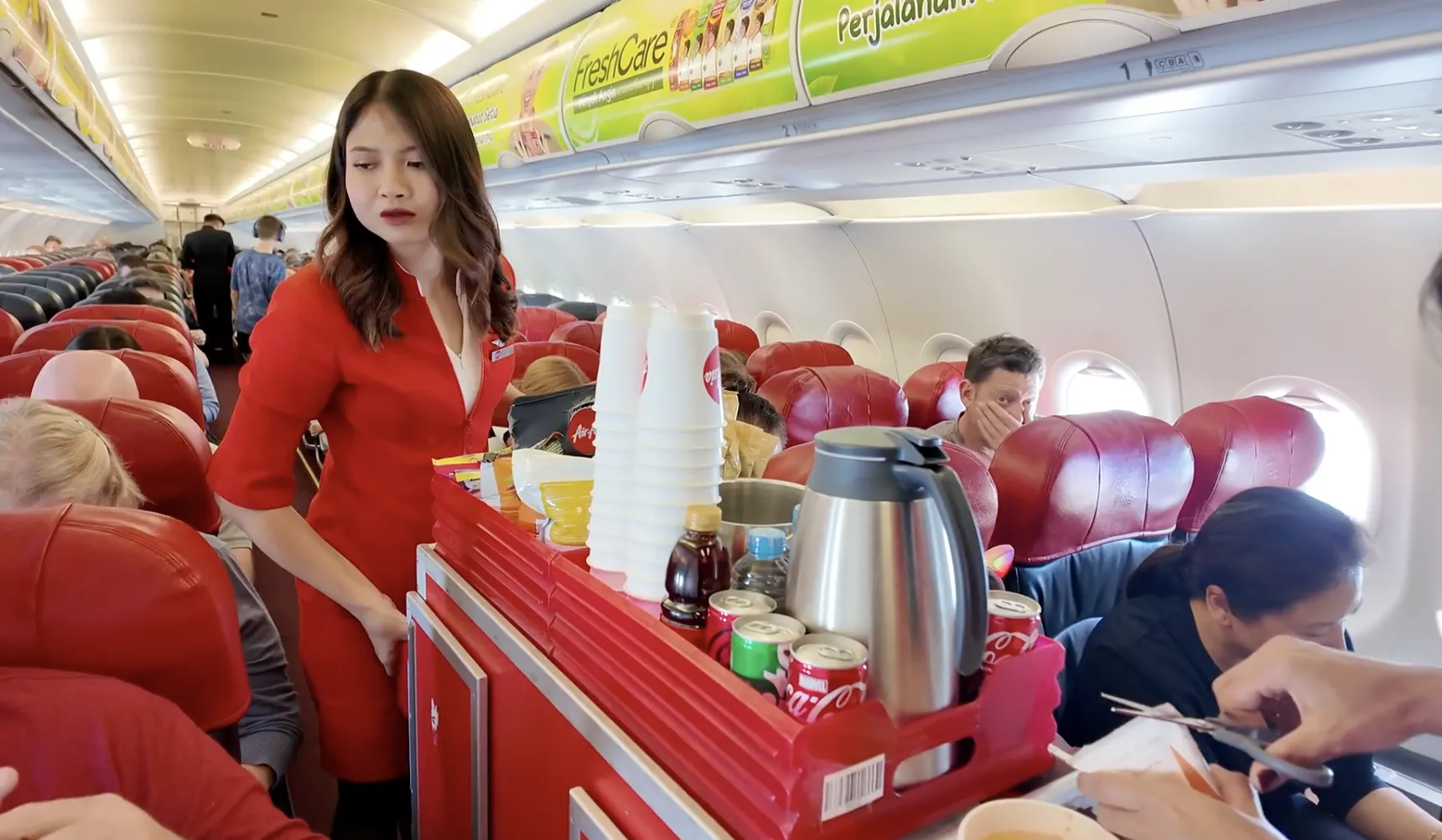
AirAsia’s model is particularly exposed. With less pricing cushion than a full-service carrier, an ageing fleet and heavy debts—18.4 billion ringgits in current liabilities against just 954 million ringgits in cash as of 30 June—it already owes at least 500 million ringgits to MAHB in airport taxes. As early as June, Bloomberg and The Straits Times reported payment delays to suppliers and a dispute with Rolls-Royce.
“Pilot friends have told me they have already missed EPF payments. Failing to pay EPF is, after all, a criminal offence,” one X post stated.
On X, pilots have mentioned unpaid retirement contributions to the EPF. Meanwhile, Capital A transferred its airline operations to AirAsia X in January to exit PN17 status. The more profitable businesses—Teleport, AirAsia MOVE and ADE—remain on the other side. The airline sector itself is absorbing the impact of high oil prices.

Tony Fernandes, AirAsia’s CEO, is betting that the war “will not last two years” and that demand will hold. It is a risky wager. If the conflict drags on and kerosene prices remain elevated, rising oil prices could prove fatal: every week of expensive fuel erodes cash reserves, delays repayments and brings closer the moment when the state must choose between letting the low-cost carrier fail or organising its rescue.
Management is targeting up to US$1 billion in international debt and 700 million ringgits in local credit. Reuters sources suggest closer to US$3 billion is needed. Malaysia Airlines and Batik could expand, provided they also secure the leased aircraft. A sudden collapse remains politically explosive, but sustained high oil prices could force the decision.