
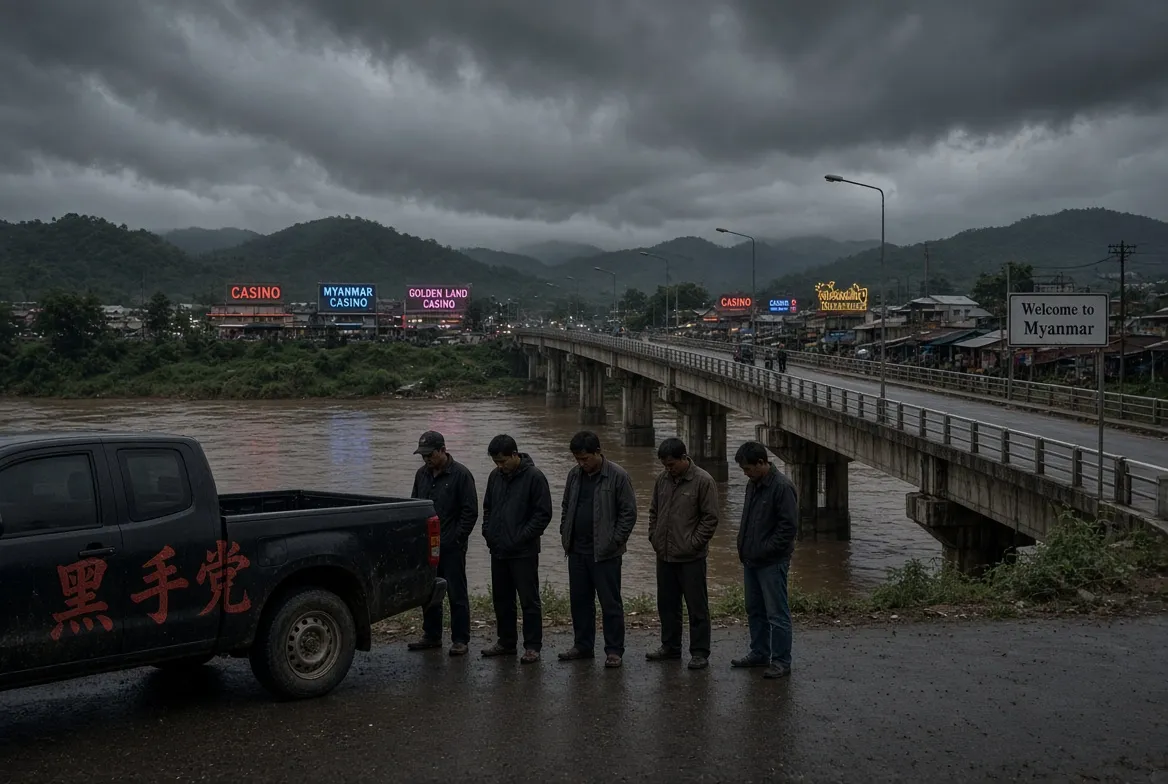
Paskorn Jumlongrach is a Thai author and commentator whose articles are published by Transborder News. He writes notably on the border between Thailand and Myanmar, scam networks and Karen armed groups.
This article published on 8 November 2026 denounces the rise of scam centres and transnational crime along the Thai-Myanmar border, as well as the alleged corruption and inaction that facilitate them.
Last week, while visiting Mae Sot, I was surprised to find it almost impossible to secure a room for 600 or 700 baht, when there are usually plenty available. On asking locals, I learned that Chinese nationals and staff from scam centres based on the Myawaddy side were returning to stay: the hotels are fully booked every night.
Mae Sot’s economy is experiencing a new boom, yet this activity stems from the reopening of numerous scam centres, more numerous than before. With centres in Cambodia and Laos facing tighter controls, they have relocated to Myawaddy.
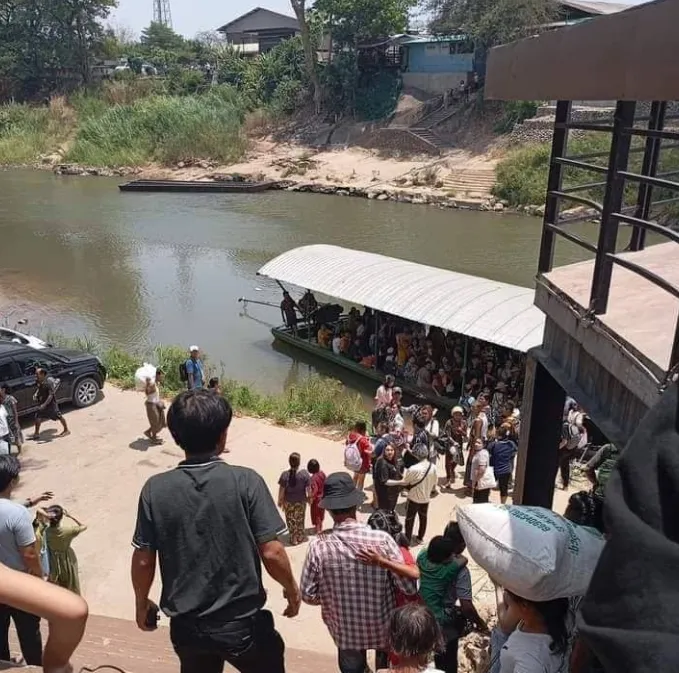
At nightfall, a landing stage serving a well-known casino, owned by a powerful figure on the Thai side, is overrun by young men and women crossing the Moei River from Thailand to take part in scam operations. Nearby buildings are rented out for these activities. It is therefore unsurprising that the closure measures announced by Thai authorities the previous week began at the First Friendship Bridge and extended southwards: north of this bridge lie a casino and a well-established criminal network linked to the Thai side.
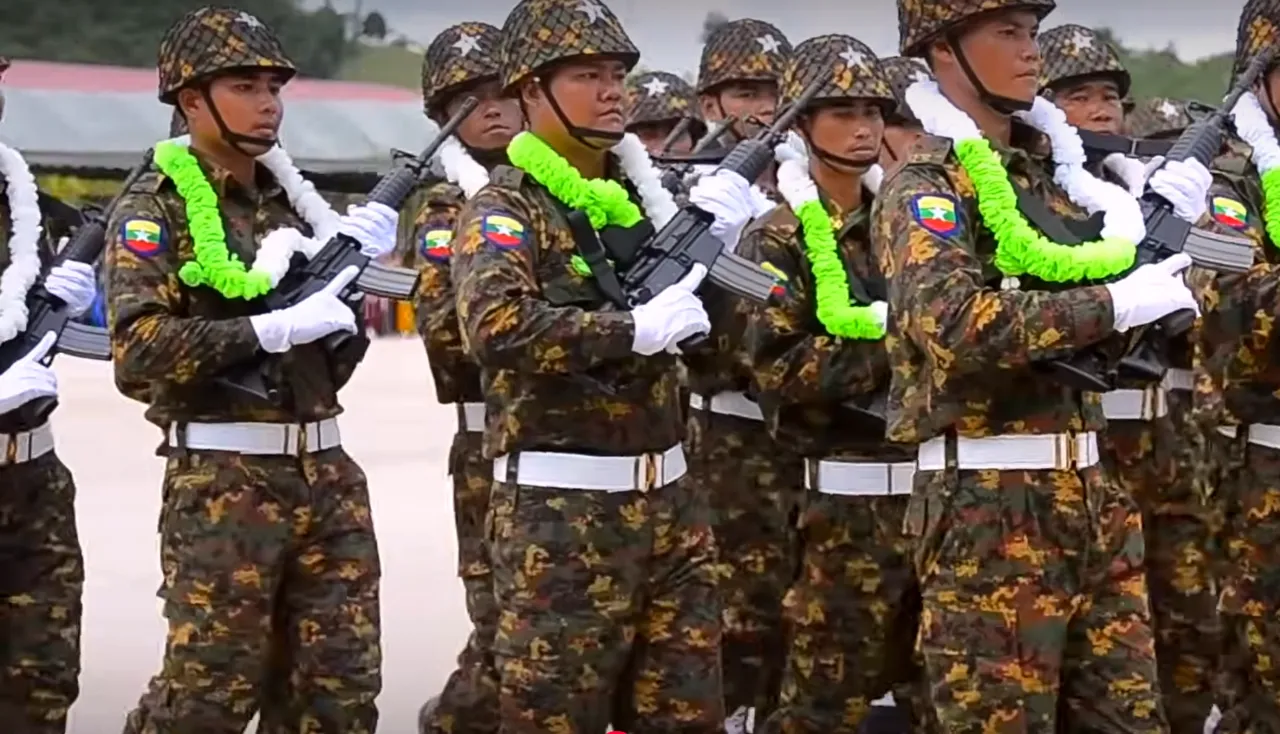
Meanwhile, a new large-scale scam complex built by the Karen BGF forces (Karen militia) — some of which have transformed into the KNA — and the DKBA forces has now been completed. It lies away from the Moei River, stretching from the area opposite Tha Song Yang district — visible to the naked eye from a vantage point on the Thai side — to the area facing Umphang district.
What is surprising is that the area opposite Tha Song Yang falls under the 7th division of the Karen KNU army, yet it has allowed “Chit Thu” (Karen leader of the KNA) to construct a vast scam centre there. Only part of this territory is controlled by the BGF, raising suspicions of shared interests.
Goods and consumer products are transported daily and nightly through the Mae Sot border post to the scam centres. There is a risk that Tha Song Yang district will follow the same path as Mae Sot, where a system of bribes is taking hold and gaining control of the local economy.
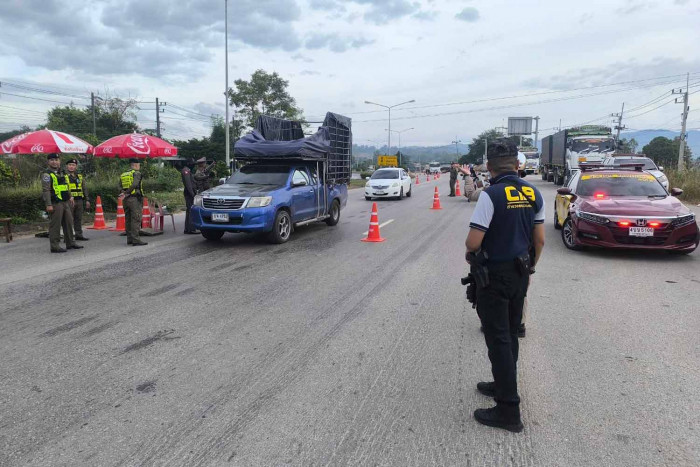
Today, Chinese nationals and other foreigners — whether scammers or victims — can still enter Mae Sot freely. The main roads south between Mae Sot and Tak, as well as the route from Mae Sot to Mae Sariang, are lined with three or four checkpoints each. Yet every night, Chinese from the “grey zone” continue to come and go as usual. Meanwhile, victims are successively being forcibly taken to various accommodation in Mae Sot. The transport of victims, by car and motorbike, is in full swing.
The “three cuts” policy — cutting electricity, internet signal and fuel supplies — has proved a total failure: it has done nothing to hinder the scammers’ activities. On the contrary, the illegal fuel trade is thriving and the bribery system is expanding.
What is painful is that cross-border trade itself is in decline. The Burmese authorities do not want Thai goods to cross the border for sale; they are therefore creating obstacles, notably by blocking transport routes. The result: the shops are now filled with Chinese products, while locals continue to seek Thai goods.
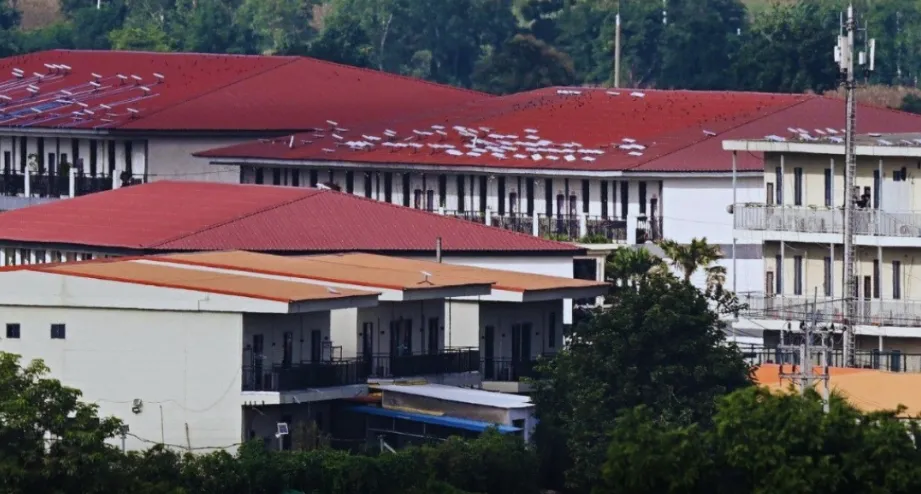
The large scam centres are no longer in the neighbouring countries to the east of Thailand. They have moved and established themselves along Thailand’s western border, from the towns opposite Tha Song Yang district in Tak province to Payathonzu, opposite Sangkhla Buri district in Kanchanaburi province. The latter town is a major hub of transnational crime, under the protection of the Karen DKBA forces.
Until now, we thought Thailand was merely a corridor allowing Chinese criminals from the “grey zone” to pass through for work, and we denounced neighbouring countries as major scam centres. But soon Thailand risks being held fully responsible: it will be designated a vast hub from which scammers operate into neighbouring countries.
Above all, the mafia figures profiting from transnational crime are protected by an “invisible hand” within the Thai state. These individuals are major donors who fuel grey-zone political dealings and the bribery system in the administration.





Images of numerous foreigners trapped in hell, tortured in the criminal centres of Myawaddy and Payathonzu, will ultimately be linked to the bribery system in Thai society. They will soon expose the scale of this scandal to the world, if those holding legal power fail to carry out their duties as they should.
Source : Paskorn Jumlongrach