
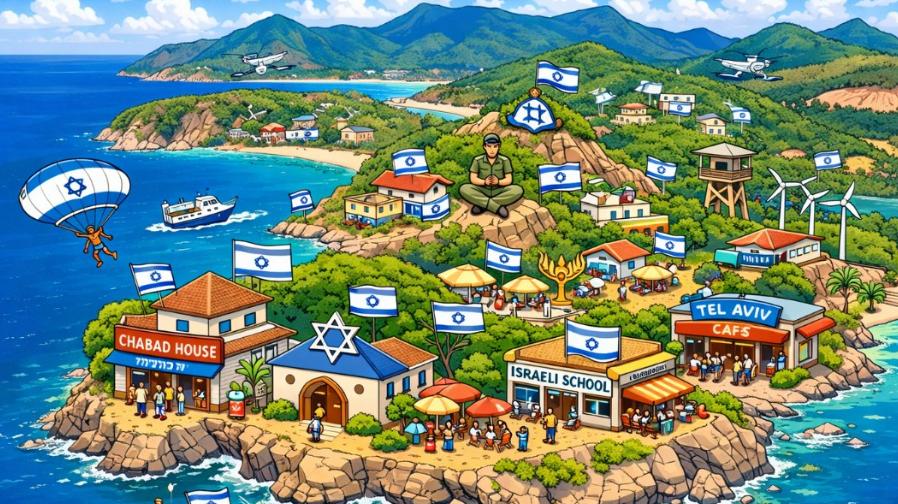
According to local immigration data shared on social media, around 2,500 to 2,600 Israelis live on Koh Phangan, representing nearly 30% of the 8,000 foreigners present, with 400 to 600 families settled there, sparking strong concerns among Thai residents about the impact on the local economy and national security.
On Koh Phangan, a popular tourist island in the Gulf of Thailand in Surat Thani province, a significant foreign community has established itself in recent years. Information from immigration services indicates that around 8,000 foreigners reside or stay long-term on the island, including 2,500 to 2,600 of Israeli nationality – nearly a third of the total.
This significant proportion, estimated at 400 to 600 families, far exceeds conventional tourism. Numerous comments on Thai social media mention a permanent settlement, with the creation of schools, religious centres and businesses catering to this community. Thai internet users express strong concern: many denounce the use of Thai nominees to circumvent the ban on foreigners owning land, as well as the opening of businesses that directly compete with locals without paying sufficient taxes.
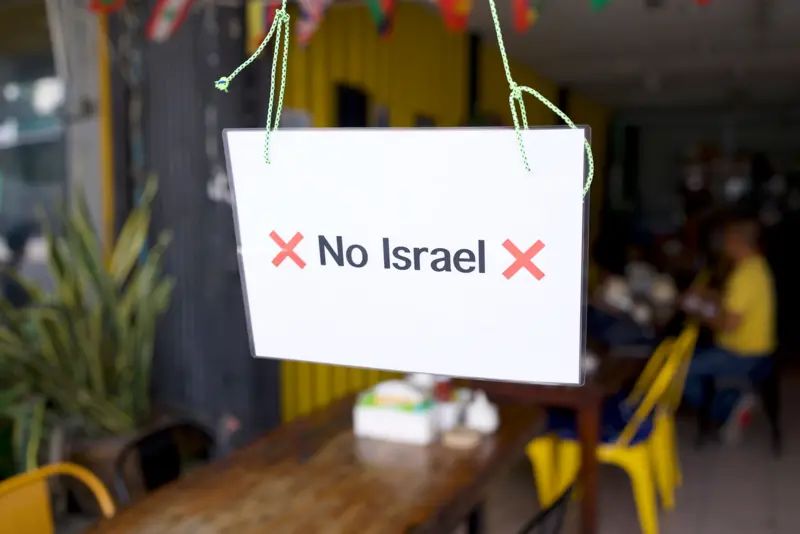
Some highlight the security risk, amid Middle East tensions involving Israel. They fear the island becoming an unwitting “rear base”, exposing Thailand – a neutral country – to geopolitical repercussions.
“If we continue like this, one day we will wake up and certain areas of Thailand will no longer belong to Thais.”
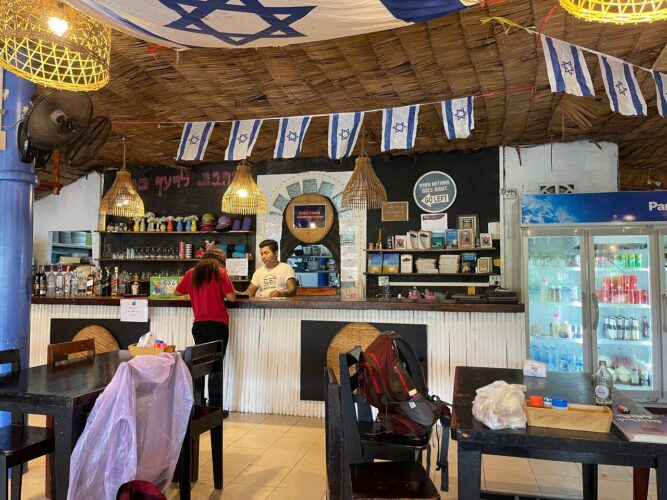
Others call for tighter controls on visas, stay extensions and foreign economic activities, accusing a certain passivity on the part of local and national authorities.
“The Thai government is too lax. We must act before it’s too late for our children and our sovereignty.”
More moderate voices remind that Thailand remains open to tourists from around the world, but insist on strict compliance with the laws, particularly regarding land ownership and tax obligations.
This phenomenon is not isolated: similar dynamics have been observed elsewhere in Thailand, such as in Pai, Phuket or Pattaya, where foreign communities have grown rapidly. Local and national authorities are urged to investigate nominees, property titles and migration flows to prevent any excesses.