
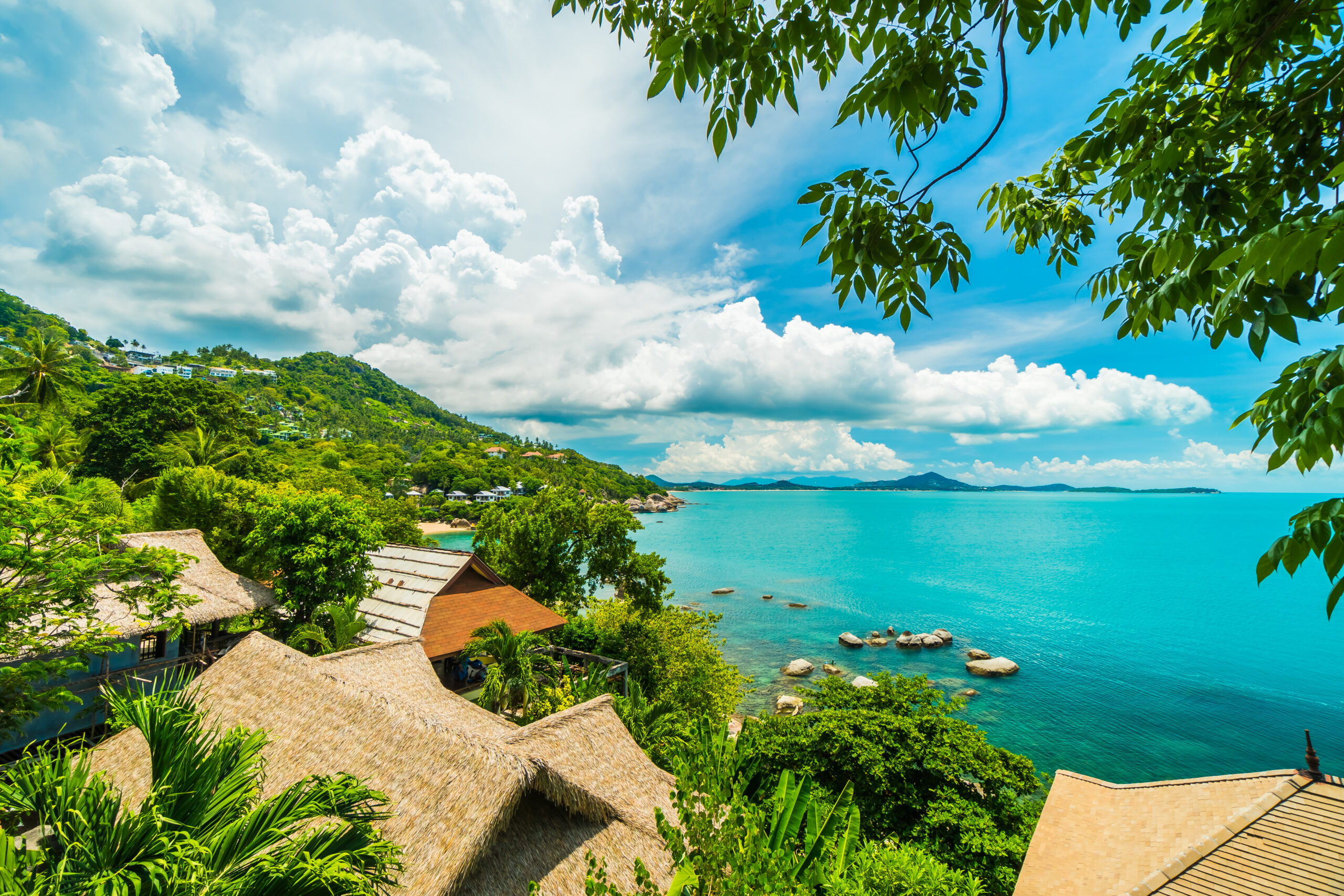
In Koh Samui and Koh Phangan, Israeli investors are building low-cost villas sold exclusively to their community, risking heightened local tensions and further straining already pressured infrastructure.
The property market in the islands of the Gulf of Thailand, particularly on Koh Samui and Koh Phangan, has undergone rapid transformation since the end of the pandemic. Strong demand from Israelis, attracted by the climate and lifestyle, is driving up sales of villas and condominiums. Phuket remains active, but it has now been overtaken in the number of new villa projects.
According to Pranaporn Boonkhajornkul, deputy managing director of Savills Thailand, the number of Israeli visitors and residents on Koh Samui has risen from 70,000 to more than 200,000 people.
« Today, Koh Samui and neighbouring islands such as Koh Phangan have become preferred residential areas for the Israeli community, which prefers to live in groups », she notes.
On Koh Phangan, Israelis are thought to account for nearly 30 % of foreign residents (around 2,500 to 2,600 people out of 8,000), with several thousand extended stays reported by local authorities.
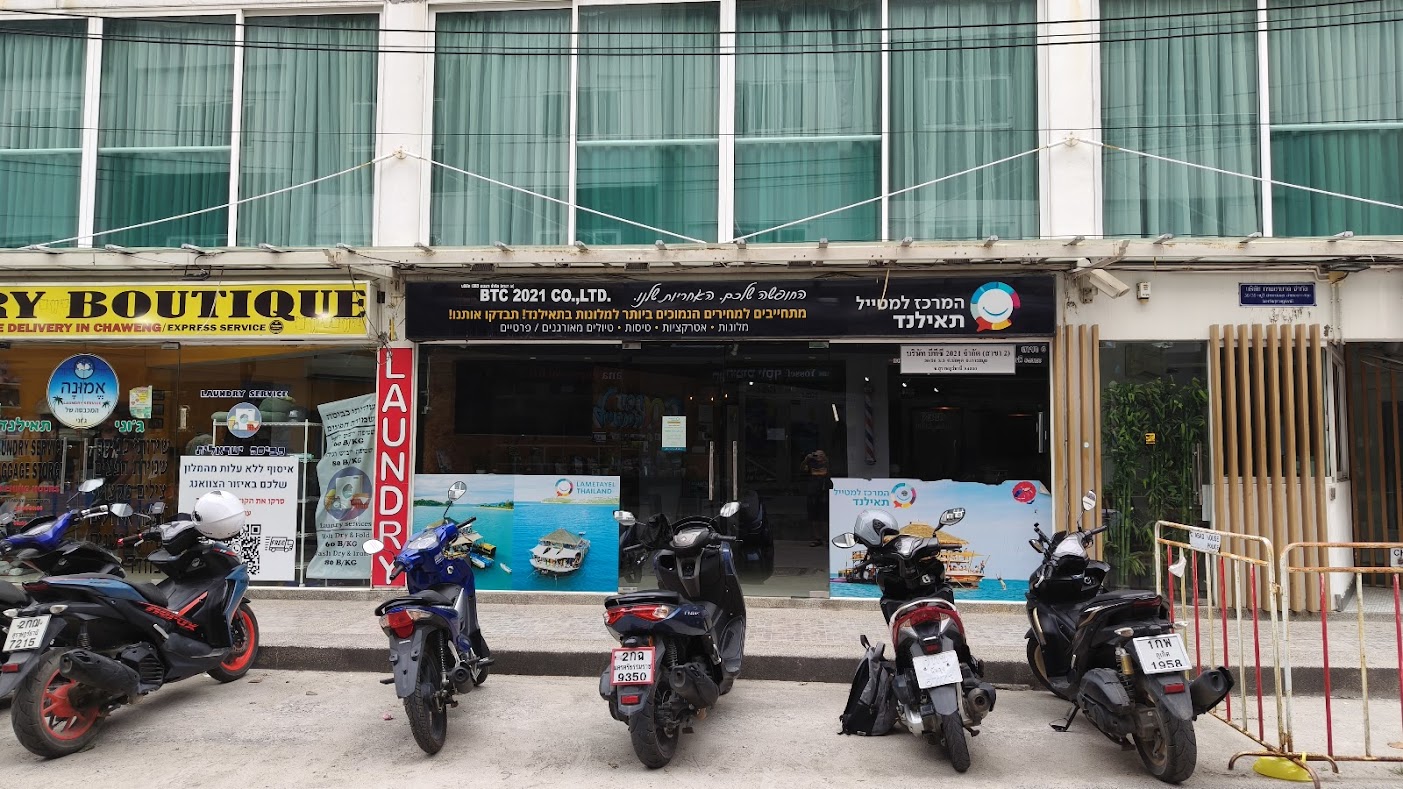
These investors are no longer content with renting: they are becoming developers. They sign 10- to 30-year leasehold agreements with Thai owners, then build villas that they resell on a leasehold basis only to their compatriots. This strategy allows them to offer prices between 8 and 10 million baht per unit, well below the 14 to 17 million baht charged for freehold sales. The projects, typically comprising 10 to 45 villas, sell very quickly. Some developments of 25 units have found buyers in just one month. The most sought-after areas are Mae Nam, Bo Phut and Choeng Mon on Koh Samui.
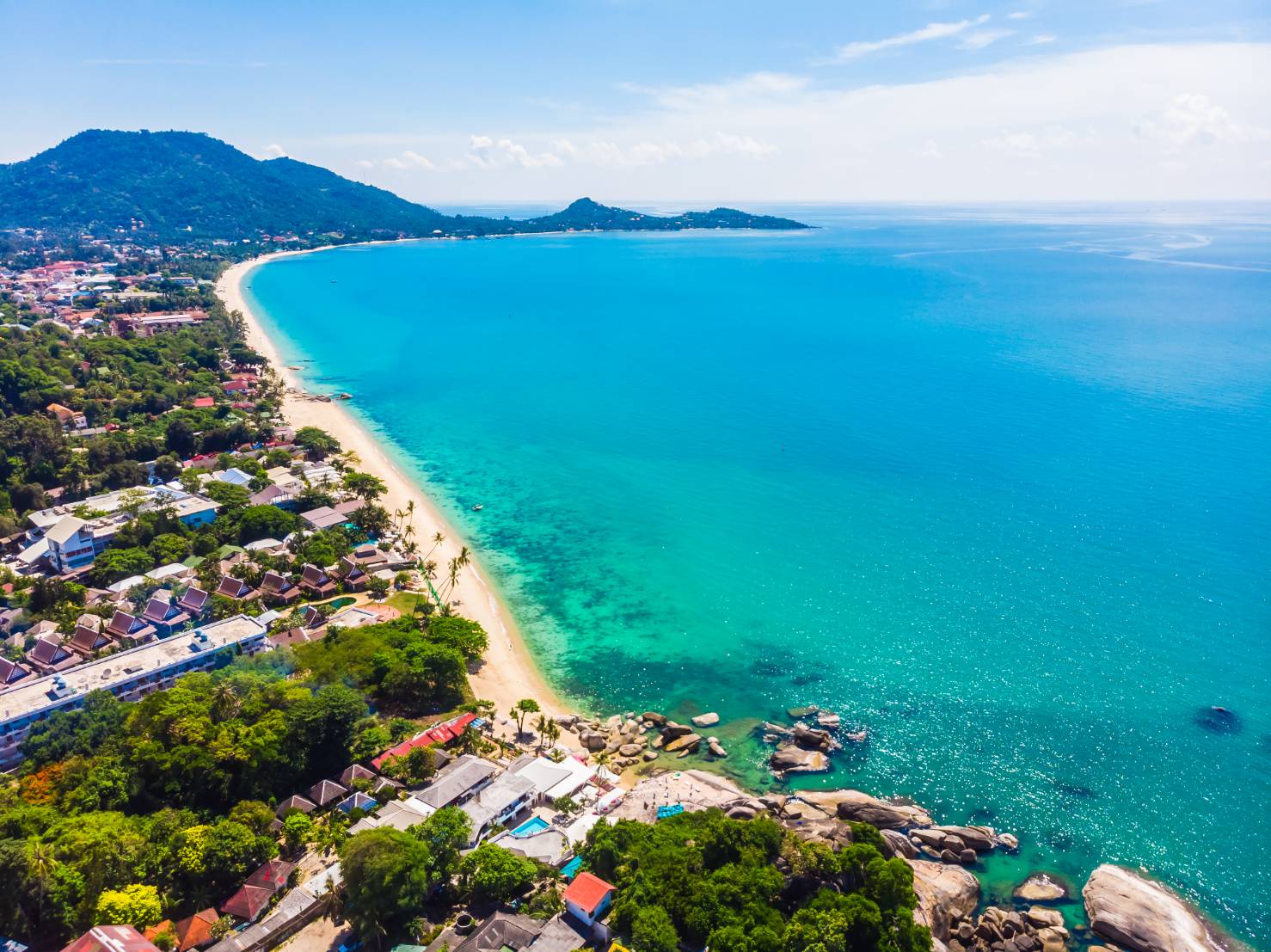
In the first six months of the year, 70 to 80 new villa projects were launched on Koh Samui, representing around 800 units, compared with only 40 to 50 projects and 700 units on Phuket. Several transactions are now settled in bitcoin or other cryptocurrencies. Rental yields are another attraction: tourist villas reportedly deliver annual returns of 8 to 10 % (upper range).
« Even when the security situation calms, demand does not diminish. Some investors want to buy up to ten units at once », observes Pranaporn Boonkhajornkul.
The mass arrival of these populations is likely to heighten existing tensions in certain areas. On Koh Phangan, residents openly express concern about a form of « colonisation », highlight the use of nominees to circumvent land rules and report frictions (restaurants displaying « No Israel », complaints about nuisance, calls for tighter controls). The same dynamic is now developing on Koh Samui.
This wave of construction is also increasing stress on already saturated infrastructure. Roads, water and electricity networks are struggling to keep pace with overbuilding. On Koh Samui, water reserves are regularly under pressure and new villas (often equipped with swimming pools) exacerbate the strain on limited resources. Local authorities are struggling to absorb the influx without structural solutions.
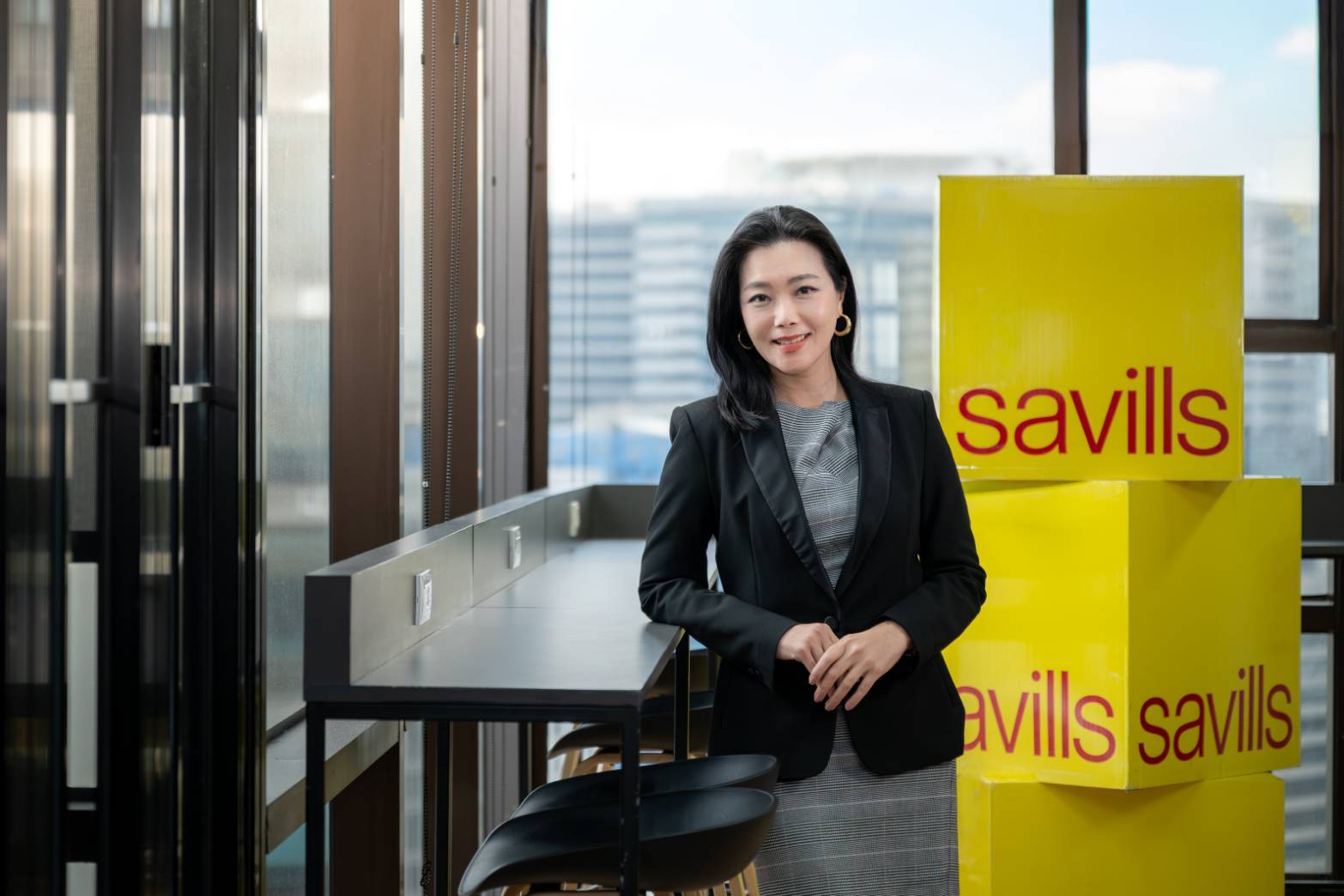
In response to this dynamic, the Savills executive is calling on authorities to strengthen controls on foreign property acquisitions and to consider specific taxation to protect the interests of local populations.