
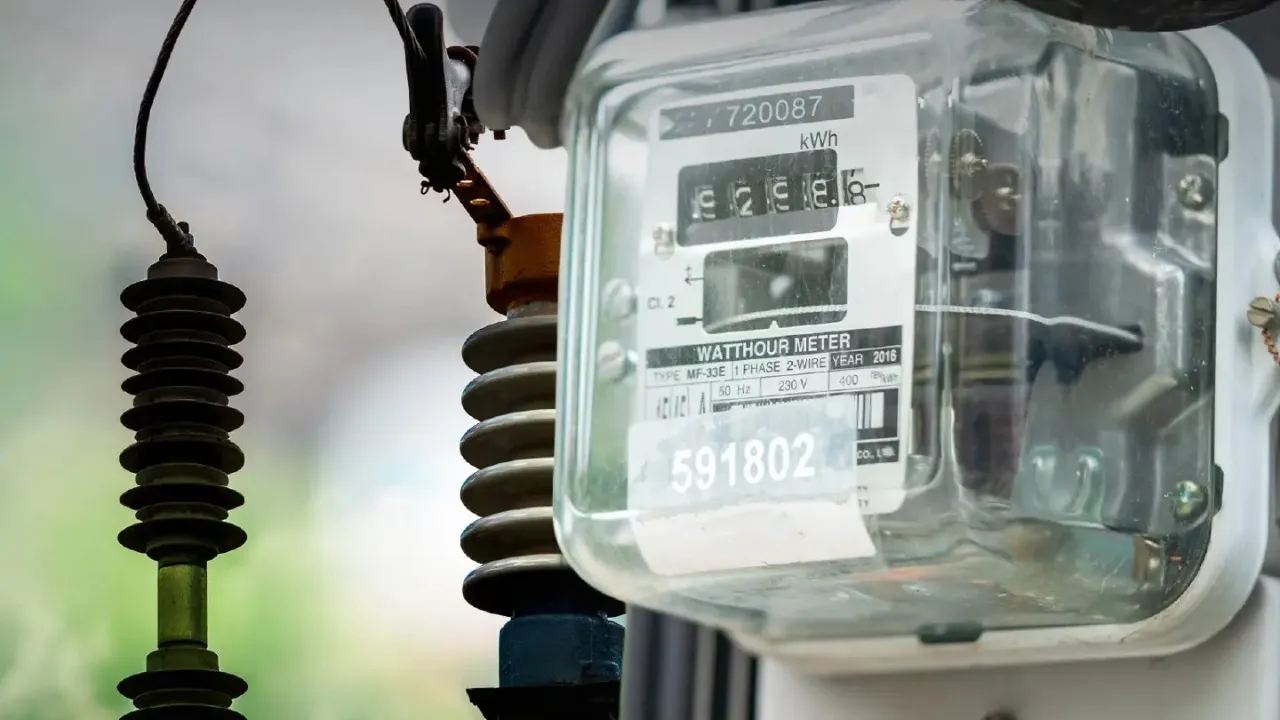
From September 2026, Thailand will introduce progressive electricity pricing aimed at easing household bills, particularly for those who consume little.
The government spokesperson, Rachada Dhanadirek, announced that consumers will benefit from a new tariff structure from the September 2026 billing cycle. This reform forms part of the government policy aimed at sustainably reducing the cost of living by adjusting electricity tariffs.
Residential consumption will now be charged on a progressive scale: the first 200 kilowatt-hours will be charged at a maximum of 3 baht per unit, units 201 to 400 at 4.16 baht, and above 400 units at 4.36 baht.
At the same time, the average tariff across all categories, including the Ft surcharge, will fall from 3.95 to 3.86 baht per unit, a reduction of 9 satang. Public electricity charges will also be removed from household bills, allowing a further reduction of 0.0634 baht per unit.
More than 21 million households are expected to benefit from these measures, with total savings estimated at 18 billion baht.
Another important change: access to the residential tariff will be extended to actual occupants, even without permanent house registration (tabien baan). Those who can prove continuous consumption and at least six months of payment history will be eligible.
« The principle is clear: those who consume less should pay less, and actual residents must be able to access this right. The government wants this reduction to be reflected directly on bills while making the tariff structure fairer and more sustainable. »
For expatriate tenants, two situations arise: where the PEA meter is in the tenant’s name or transferable, they may, after six months of occupancy, claim the new residential tariff, including the first 200 units at 3 baht. However, in the common case of a sub-meter billed by the landlord, the latter has been required since 2025 to recharge electricity at actual cost, without margin, in line with OCPB regulations. In case of refusal, the tenant may report the matter to the authorities.