Foreign Influence, Local Silence: Koh Phangan Residents Demand Answers
Koh Phangan residents accuse Surat Thani authorities of turning a blind eye to alleged illegal foreign-linked land and business networks, while activist Sondhi Limthongkul has launched a national campaign and plans to protest at the Israeli embassy.
Published
In Bangkok, Koh Phangan residents denounce provincial inaction while Sondhi Limthongkul takes the case to the Israeli embassy.
On Koh Phangan, part of the local population is no longer speaking only of land pressure. It speaks of possible administrative inaction at the level of Surat Thani province, as foreign capital, notably from Israeli nationals, is said to have settled through nominee companies, long-term leases and businesses opened without clear authorisation.
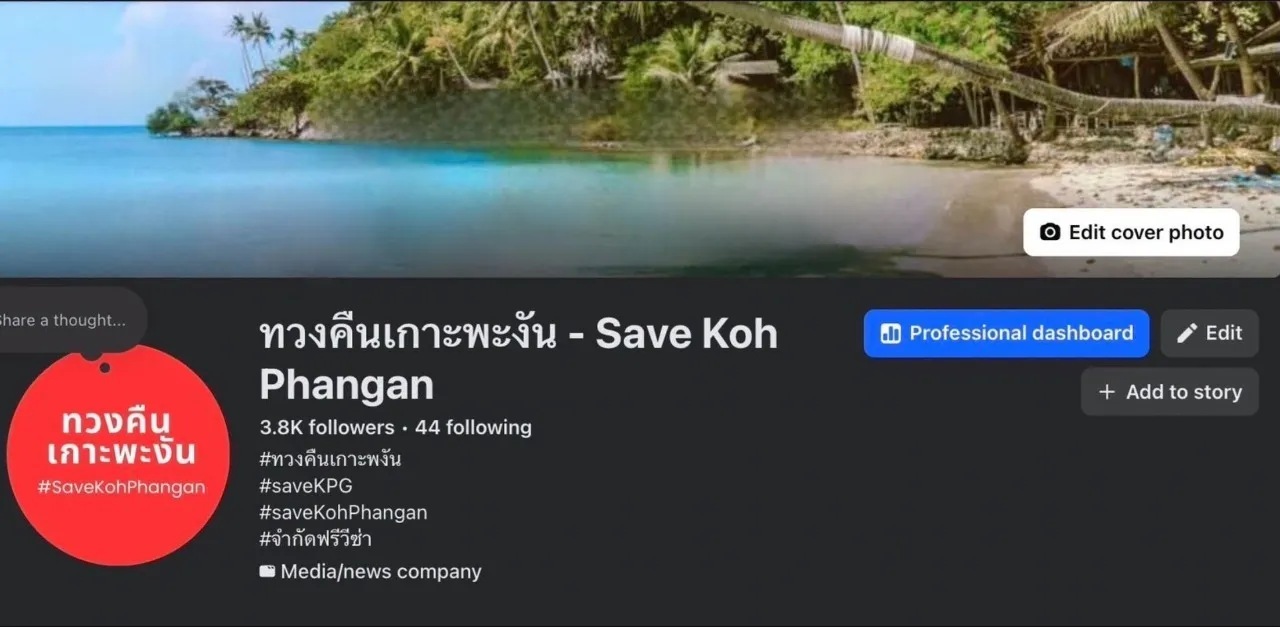
The debate has gained fresh momentum after two distinct developments in recent days. On one side, the Facebook page « Save Koh Phangan – #ReclaimKohPhangan », which had documented these arrangements for months, was heavily reported and then removed. On the other, a conference held on 5 September 2026 in Bangkok by the Centre for Islamic Culture and Learning at the Foundation for the Islamic Centre of Thailand brought back to the table what island entrepreneurs describe as a gradual grip on local land and commerce.
At the meeting, associate lecturer Arthit Thong-in outlined, according to the site Mtoday, the logic of clustered settlement: purchases or long-term leases, creation of closed communities, control of resources and activities across almost every sector. Representatives of entrepreneurs and residents of Koh Phangan then described a sense of being pushed aside: local tourism and property, they say, are no longer merely competed with but are circumventing Thai law through nominees.
A speaker from Koh Phangan expressed concern over a newly settled population she considers poorly integrated with local customs:
Video: Video Youtube Mtoday
The most political point is not merely the foreign presence. It is the inertia of the provincial authorities. Complainants say they have lodged repeated reports over five to six months: unlicensed premises, encroachments, large-scale concerts held in defiance of the rules. According to their account, the response from local police left them stunned:
“Surat Thani province gave the order to do nothing, allowing foreign groups to act as if they enjoyed administrative protection.”
The remark, reported in accounts of the conference, now circulates as evidence, in the eyes of many commentators, of possible political or financial protection. Even though nothing at this stage legally establishes named corruption, suspicion has taken hold: why would a tourist province remain “at a standstill” in the face of what are presented as repeated and visible facts?
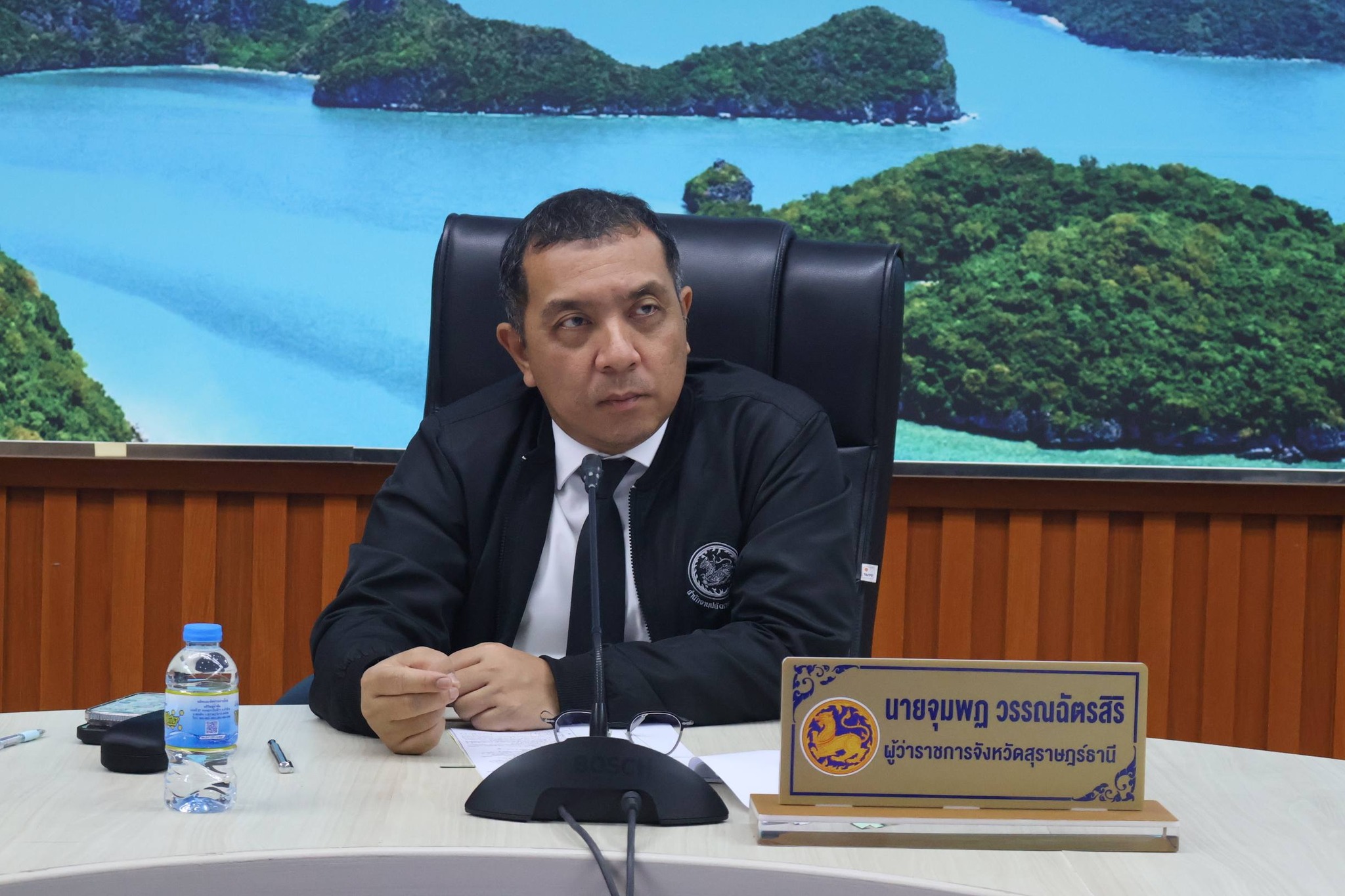
Chumphat Wannachatsiri, governor of the province in post since November 2025. / Photo: PR. Surat
On the Facebook posts at the origin of the controversy, the temperature is running high. Many internet users no longer stop at the island. They target Governor Chumphat Wannachatsiri, the police, the Ministry of the Interior and sometimes local elected officials. The dominant idea is that of an administration that has been “bought” or “silenced by money”.
“Quickly check the governor’s assets. If one stays too close to these affairs, one is sure to get rich.” “The province has put the lever in neutral… There are no words left. Money stops their mouths, that is why no one dares to move.”
Other comments directly link local inaction to a crisis of sovereignty. For them, the residents of Koh Phangan are being relegated to second place on their own island, while nominee networks open bars, schools, villas and events without fear of scrutiny. Some reactions call for an asset investigation, the dismissal of officials “running free”, or even intervention from the highest levels of the state.
This is in fact the most striking narrative turn. Several voices claim that ordinary steps — police station, province, local services — yielded nothing, and that only a petition to the King shifted the file. According to this account, once the royal petition was lodged, central power awoke: inspections, closure of clandestine schools, raids on nominee business networks.
“Officials and politicians are already bought. Only the royal institution remains. If it comes to a petition to the King, the governor should first be held to account.”
This reading fuels anger on two levels. First: distrust of the provincial authorities of Surat Thani, accused of looking the other way while foreign capital took root. Second: the conviction that Bangkok acts only under symbolic pressure, not through routine administration. In the comments, calls are made for the governor’s removal, asset checks, replacement of police “put on the shelf”, and a tougher line against illegal nominees.
The disappearance of the « Save Koh Phangan » page has further hardened the climate. Its supporters see it as a riposte from the networks in question, after months of posts on nominee arrangements. Reactions call for several pages to be reopened, shared massively, and for “the fight to be resumed” rather than letting the subject die with the closure of the Facebook account.
“Continue the fight. Reopen several pages and hit harder than before. If they silence one voice, ten more must be created.”
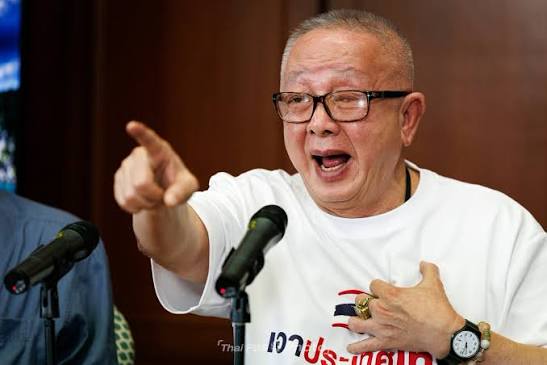
The issue is not only insular and affects all of Thailand: On Monday 7 September 2026, activist Sondhi Limthongkul, 79, former leader of the royalist yellow-shirt movement, announced in Bangkok a national campaign called « Take back our Thailand ». He said he would lead supporters this Thursday 10 September to the Israeli embassy to deliver a letter, whether or not the diplomats agree to receive it.
Sondhi Limthongkul
According to Khaosod English, Sondhi Limthongkul says he wants to force the government to address what he presents as foreign influence, grey-capital networks and a threat to Thai sovereignty. He clarified that the movement’s initial aim was not to bring down the executive, but to demand greater integrity, accountability and protection of Thai interests. Further rallies are planned across the country. The activist, who accepts personal risks, says he wants to “restore the dignity and sovereignty” of Thailand.
The case raises a question of governance: can a province remain inactive in the face of allegations of illegal economic occupation until a royal petition, followed by national mobilisation, forces movement? For some residents and entrepreneurs of Koh Phangan, the answer is already no. They are not only calling for the expulsion of the contested networks. They are demanding that the accounts, permits and silences of Surat Thani be opened.